
Why Talking to Kids About Diversity Supports Mental Health
Why Talking to Kids About Diversity Supports Mental Health
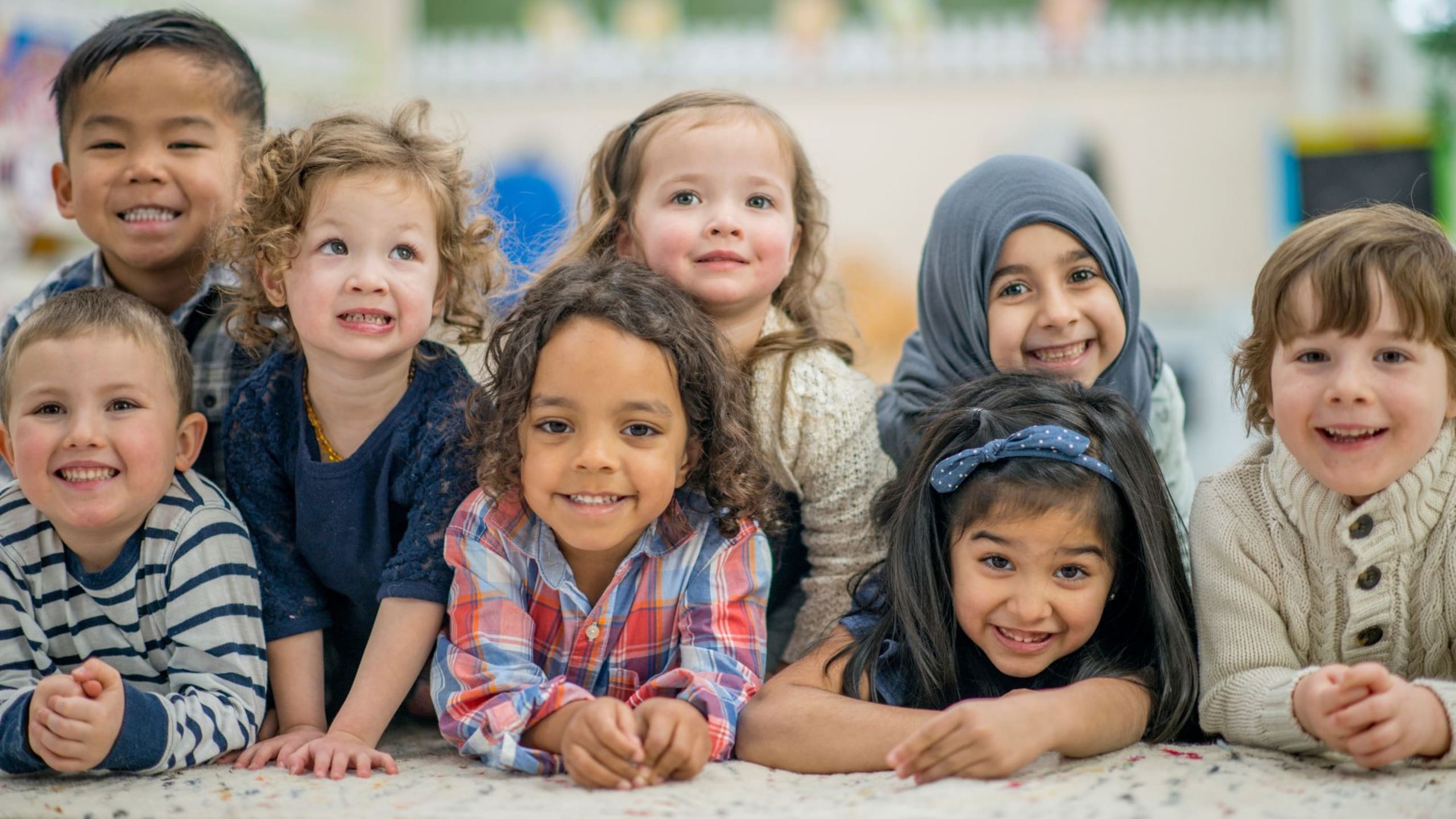
Written by Natasha L. Poulopoulos, PhD (Dr. Tash)
Licensed Clinical Psychologist
You’re walking down the aisle of the grocery store, you just picked up a new protein cereal and are closely examining the ingredients, when your child suddenly tugs on your hand and loudly asks, “Mommy, why is that person brown/black?”
Suddenly, all the customers in the aisle are staring at you, waiting to hear your response.
Did you just internally panic? No need. Just keep reading. This is a very common question and your kid is just trying to understand the world. Kids are innately curious about their world, especially the people that they see in the grocery store, on television, at school, and out in the world.
Kids notice differences far earlier than many adults realize. Research consistently shows that even young kids are aware of differences in skin color, language, and culture. What matters most is not whether kids notice differences, but how adults respond when they do.
How to Approach the Conversation with Kids
Parents often tell me they don’t know where to start certain conversations with their kids. That’s okay and that’s what I’m here for!
I’ve learned that for most conversations with kids, the best approach is through curiosity rather than perfection. Parents and caregivers do not need the “right” script or all the answers. What kids benefit from most is emotional openness and a willingness to listen. Asking simple, reflective questions, such as what kids notice, what they wonder about, or how certain situations make them feel, allows adults to meet kids where they are developmentally and emotionally.
Everyday moments offer natural opportunities to talk about diversity. Books, movies, music, and shared experiences can open doors to meaningful discussions without making them feel forced. Reading stories that center diverse characters, listening to music from different cultures, or talking about family and community history helps normalize differences and highlight similarities. These moments also help kids connect abstract concepts like fairness and respect to real people and emotions.
Tips for Talking to Kids about Race
When diversity is discussed openly and thoughtfully, kids are more likely to develop empathy, emotional awareness, and a healthy sense of identity — all protective factors for their long-term mental health.
Here are a few ways to respond to your kid (in the grocery store and in life):
- “People have different skin colors because we’re all made a little differently. Skin color comes from something called melanin, which helps protect our skin.”
- “Just like people have different hair or eye colors, people have different skin colors. It comes from where their families are from.”
- “That’s a good question. People have different skin colors, just like we have different hair and eye colors.”
The aim here is to normalize difference, give accurate, simple information, and model respect and curiosity. Has your initial panic subsided? Hopefully, yes.
Why This is Important for Kids
Did you know that children and adolescents who experience race-based stress and discrimination show higher rates of emotional distress, academic disengagement, and negative self-concept? The very concerns that parents painstakingly worry about can be prevented or intervened at home.
Avoiding conversations about race or diversity, often with the intention of being “neutral,” can unintentionally leave kids and teens to form their own explanations based on incomplete or biased information from peers, media, or society at large.
Here’s a breakdown of what happens when we speak openly and positively about diversity:
- Kids develop empathy and perspective-taking skills (a key part of social-emotional learning).
- Kids build healthier self-identity — whether they share the identity being discussed or not.
- Kids are less likely to internalize stereotypes or bias, which can contribute to anxiety, shame, or social isolation.
Silence does not prevent bias; it simply removes guidance during a crucial time. Thoughtful conversations help kids make sense of the world in a way that reduces fear, confusion, and shame. They also know that they can come to you with any questions, concerns, or experiences in the future. Trust me, that’s a great aspect of a relationship to have with your kid.
Parents are Crucial
You are critical in this work. Kids may sometimes express biased or exclusionary ideas, often without understanding their impact. When this happens, gentle correction is far more effective than shame. Again, respond with curiosity by asking where an idea came from, or invite kids to consider how someone else might feel.
Modeling matters just as much as conversation. Kids learn values not only through what adults say, but through how they act. When they observe adults challenging stereotypes, speaking up about fairness, or seeking diverse perspectives, they internalize the message that inclusion and equity are important. These modeled behaviors help children understand that their choices and voices matter.
It is also important to move beyond simply celebrating differences and to acknowledge issues of fairness and justice in age-appropriate ways. February offers a meaningful opportunity to explain why Black History Month exists — not only to honor achievements, but to recognize resilience in the face of injustice.
I can’t help but take this moment to highlight that the most effective way to stop bullying is for upstanders (those witnessing it) to intervene, support the victim, and report the behavior to trusted adults. Framing these conversations around fairness and care helps children understand that standing up for others is part of being a kind and responsible community member.
There will inevitably be moments when your kid asks questions that feel difficult or unfamiliar. It is okay and encouraged to answer by saying something like, “I’m not sure, but let’s learn together.” This response models curiosity, humility, and lifelong learning, all of which support emotional resilience and strong parent-child relationships.
Keep the Conversation Going
The grocery store moment will not be the first or last conversation with your kid about race and the beautiful differences that make us all who we are. Talking to kids about diversity is not a single conversation to “get right.” It is an ongoing process that evolves as children grow. When adults approach these discussions with openness, warmth, and intention, they help create environments where children feel seen, valued, and emotionally safe — not just this February, but throughout the year.
Supporting your kid’s mental health includes navigating conversations about identity, diversity, and belonging. When these topics intersect with emotional or behavioral concerns, I can help.
Through South Miami Psychology Group, Dr. Tash provides evidence-based psychotherapy for children and adolescents and works collaboratively with families to support emotional well-being.
Call or text us at 305-662-2686 to learn more about psychotherapy services with Dr. Tash.
To learn more about Dr. Tash’s background and specialty areas, check out her website at drtash.com.

Meet the author: Natasha L. Poulopoulos, PhD (Dr. Tash)
Dr. Natasha Poulopoulos, Ph.D. (she/her)—also known as Dr. Tash—is a licensed psychologist who provides evidence-based, inclusive care for children, adolescents, and adults. Her clinical interests include pediatric and health psychology, supporting youth and families coping with medical conditions, anxiety-related concerns (including needle phobia), pain, and adjustment stress. She also brings expertise in LGBTQ+ affirming care and behavioral change. In addition to clinical work, Dr. Tash consults with schools and organizations to strengthen youth mental health supports through trainings and mental health escalation protocols that help communities respond effectively and compassionately.